

If you have a missing tooth, your dentist has probably mentioned dental bridges. But before you commit to treatment, you likely have real questions. At Gallagher Family Dentistry of Metairie, Dr. Michael W. Gallagher hears the same concerns every week. This guide answers 5 questions about dental bridges, answered honestly for Metairie patients who want clear, straightforward information before making a decision.
We believe informed patients make better decisions. So let’s get into it.
Question 1: What Exactly Is a Dental Bridge — and Do I Really Need One?
A dental bridge is a fixed restoration that replaces one or more missing teeth. It uses crowns placed on the teeth beside the gap to anchor an artificial tooth in between. The result looks natural and functions like a real tooth.
But do you truly need one? Missing teeth do more than affect your smile. They shift neighboring teeth out of alignment over time. That shifting can cause bite problems, jaw strain, and even bone loss in the jaw. Replacing a missing tooth protects your entire oral health, not just the gap itself.
Many Metairie patients wait because they assume one missing tooth isn’t a big deal. Dr. Gallagher recommends addressing gaps sooner rather than later to avoid more complex treatment down the road.
Question 2: How Long Will My Dental Bridge Actually Last?
This is one of the most honest questions patients ask — and it deserves a direct answer. A well-maintained dental bridge typically lasts between 10 and 15 years. Some last significantly longer with good care.
Longevity depends on several key factors:
- Daily brushing and flossing around and under the bridge
- Avoiding hard or sticky foods that stress the restoration
- Attending regular cleanings and checkups with Dr. Gallagher
- Addressing grinding or clenching habits early
The supporting teeth on either side of the bridge carry extra load. Keeping those teeth healthy is critical. Neglecting them shortens the bridge’s lifespan considerably.
Dr. Gallagher will show you the best techniques for cleaning under your bridge at home. Proper flossing with a floss threader or water flosser makes a real difference.
Question 3: Will the Procedure Hurt? What Should I Expect?
Concern about pain is completely understandable. The honest answer is that the procedure itself should not hurt. Dr. Gallagher numbs the area thoroughly before beginning any preparation work.
Here is a general overview of what the bridge process looks like:
- First visit: Dr. Gallagher prepares the two anchor teeth and takes impressions of your bite.
- A temporary bridge is placed while your permanent bridge is crafted at a dental lab.
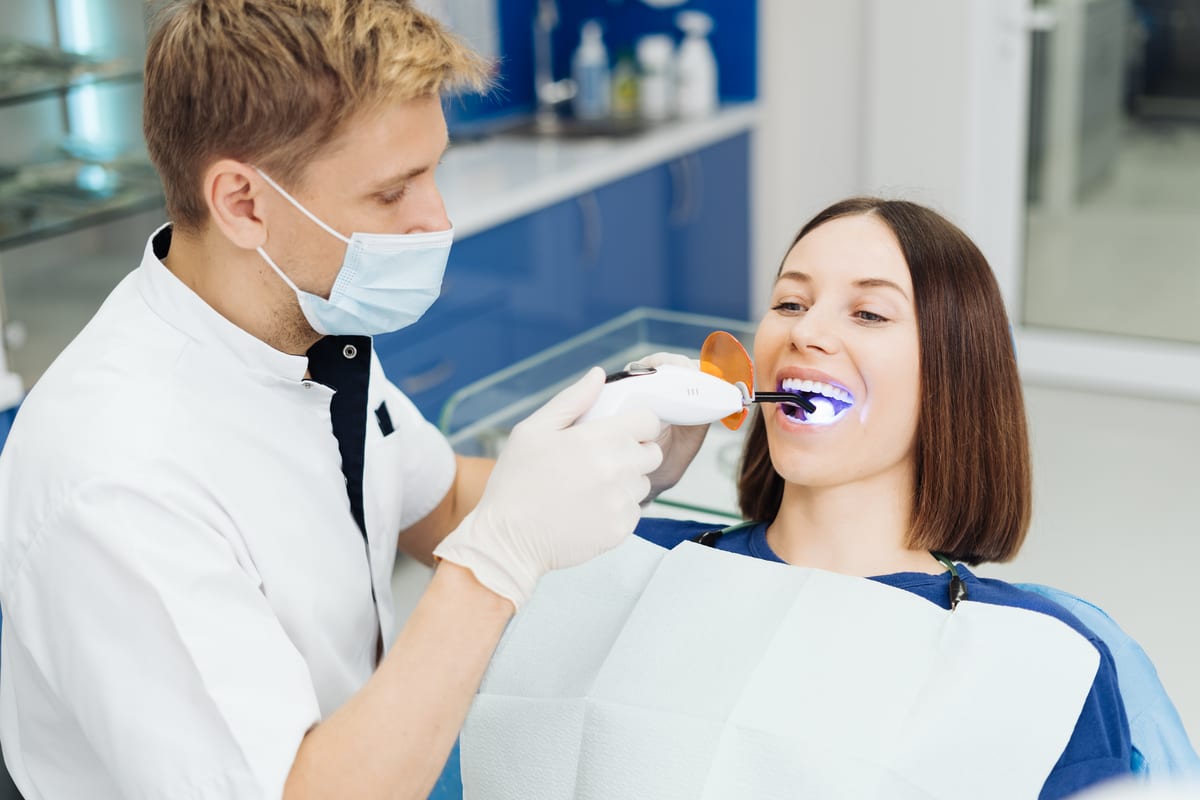
- Second visit: The permanent bridge is fitted, adjusted, and cemented securely in place.
- Follow-up: Dr. Gallagher checks your bite and comfort in the days after placement.
Most patients report mild sensitivity for a few days after the first appointment. Over-the-counter pain relief typically manages this easily. The second appointment involves little to no discomfort at all.
If anxiety is a concern, let our team know in advance. We take extra steps to make your visit as comfortable as possible here in Metairie.
Question 4: How Much Does a Dental Bridge Cost in Metairie?
Cost is the question patients sometimes feel awkward asking. We encourage you to ask it directly — it matters. The cost of a dental bridge depends on several factors, including the number of missing teeth, the materials used, and your specific bite needs.
A traditional three-unit bridge — replacing one tooth with two crowns — generally ranges from $2,500 to $5,000 or more depending on materials and complexity. Porcelain and zirconia bridges cost more than metal options but offer a far more natural appearance.
Patients often ask about Dental Insurance Metairie options and how plans may help with the cost. Our team can discuss financial arrangements to make treatment more accessible for your budget. We also work with patients who see an Aetna Dental Dentist Metairie as part of their dental care network.
We recommend scheduling a consultation first. Dr. Gallagher will give you a clear cost estimate based on your specific situation — no surprises.
Question 5: Is a Bridge the Right Choice — Or Should I Consider Implants?
This is the most important question patients often don’t think to ask. Both bridges and dental implants replace missing teeth. But they work very differently.
A bridge is placed on top of the gum and supported by surrounding teeth. An implant is a titanium post surgically placed into the jawbone, acting as an artificial root. Here is how to think about the difference:
- Bridges are faster to complete and typically cost less upfront
- Implants preserve jawbone and do not affect neighboring teeth
- Bridges require modifying the anchor teeth on either side of the gap
- Implants last longer on average — often 20 years or more with proper care
- Bridges work well when anchor teeth already need crowns
Neither option is universally better. Dr. Gallagher evaluates your bone density, overall health, budget, and goals before making a recommendation. In some cases, a bridge is absolutely the smarter, faster solution. In others, implants offer long-term advantages worth the additional investment.
The right choice is the one that fits your mouth, lifestyle, and priorities — not a one-size-fits-all answer.
Making Your Decision With Confidence in Metairie
Missing teeth deserve a thoughtful, personalized response. Dental bridges remain one of the most trusted and effective tooth replacement options available today. Dr. Michael W. Gallagher and the team at Gallagher Family Dentistry of Metairie are committed to giving you honest answers — not just a sales pitch.
We want you to walk in informed and walk out confident. Whether a bridge is right for you or another solution makes more sense, we will help you understand every option clearly. Book Now to schedule your appointment with our team.
Frequently Asked Questions
How many teeth can a dental bridge replace?
A traditional dental bridge can replace one, two, or even three consecutive missing teeth. The number of anchor crowns needed depends on how many teeth are missing and where the gap is located in your mouth. Dr. Gallagher will assess your specific situation to recommend the right bridge design for your needs.
Can I eat normally with a dental bridge?
Yes — once your bridge is fully cemented and settled, you can eat most foods comfortably. However, we recommend avoiding very hard foods like ice or hard candies and sticky foods like caramel that can stress or dislodge the bridge. With reasonable care, eating with a bridge feels very natural.
Will my dental bridge look natural?
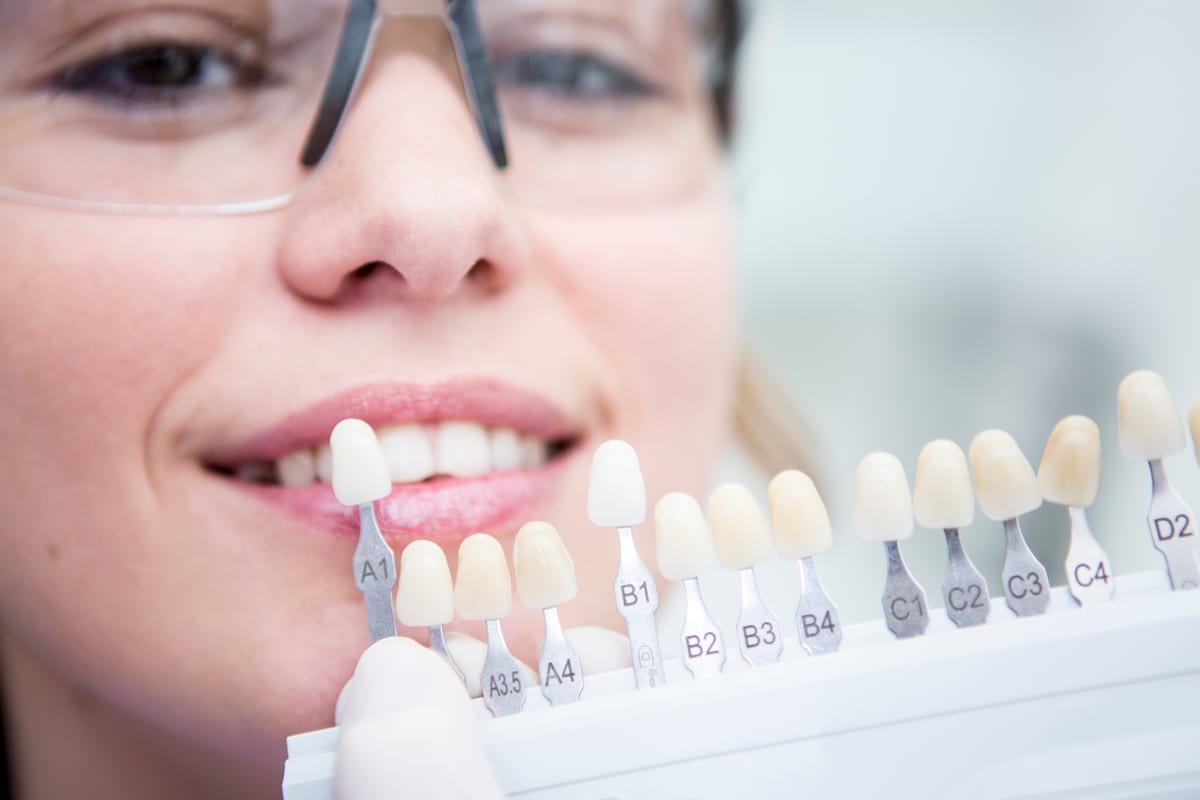
Modern porcelain and zirconia bridges are designed to match the color, shape, and translucency of your natural teeth. Most people cannot tell the difference between a well-made bridge and a natural tooth. Dr. Gallagher works closely with dental lab technicians to ensure a beautiful, seamless result for Metairie patients.
How do I clean under a dental bridge?
Standard floss cannot pass between your bridge and gum. You will need to use a floss threader, super floss, or a water flosser to clean underneath the bridge daily. Dr. Gallagher’s team will demonstrate the proper technique at your appointment so you feel confident maintaining your bridge at home.
What happens if a dental bridge fails or falls out?
If your bridge loosens or comes off, contact Gallagher Family Dentistry of Metairie right away. Do not try to recement it yourself. In many cases, a bridge can be recemented or repaired. If the anchor teeth have been compromised, Dr. Gallagher will discuss your replacement options, which may include a new bridge or dental implants.