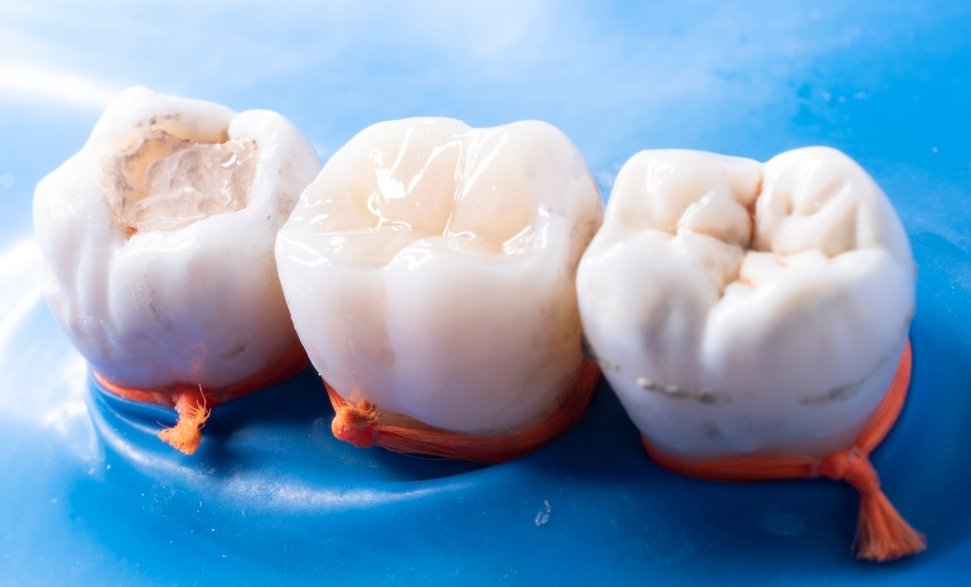


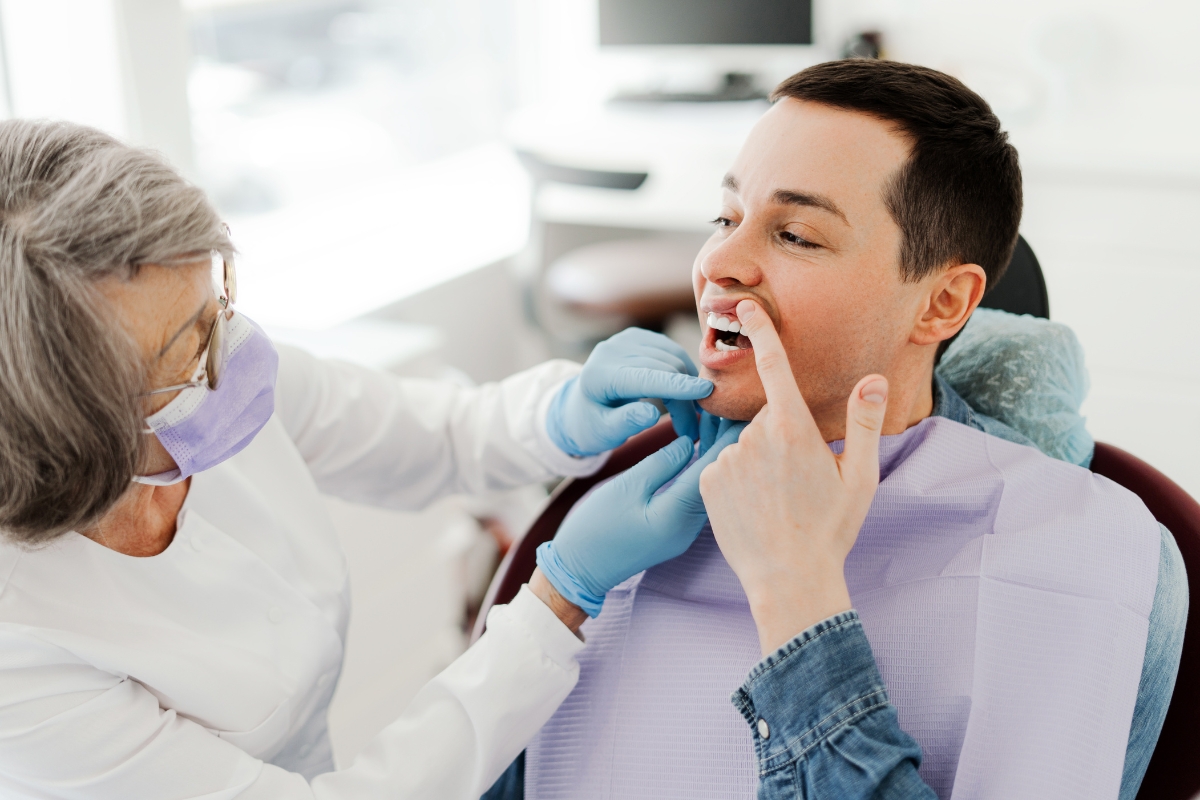
Dental bone grafts play an essential role in rebuilding the foundation of your smile after tooth loss, extraction, or jaw deterioration. Most patients recover smoothly and enjoy stronger results, but occasionally, complications can arise. Recognizing the signs of trouble early can protect your oral health and safeguard your investment in long‑term care.
At Gallagher Family Dentistry, we see how much our Metairie community values healthy, functional smiles. From enjoying beignets at Café du Monde to laughing with friends along Veterans Boulevard, your day‑to‑day life depends on comfort, confidence, and good dental health. That’s why understanding what’s normal and what warrants immediate attention after a bone graft matters.
This post walks you through common warning signs of a failing bone graft, how to spot them, and when to call our office for a same‑day consultation or appointment.
What Is a Dental Bone Graft?
A dental bone graft is a procedure that restores lost bone in your jaw, typically before placing dental implants or to stabilize the jaw structure. The graft material supports new bone growth and helps create a stable base for future dental work.
Many Metairie patients have chosen bone grafting in Metairie as a proactive way to enhance their oral structure and smile longevity.
Why Early Detection Matters
Bone graft healing usually follows a predictable pattern. In the first few weeks, expect some swelling, mild discomfort, and light bleeding. As healing progresses, symptoms should steadily improve. However, when healing stalls or worsens, it could indicate a failing graft.
Addressing issues early prevents bigger problems, such as infection, graft loss, or compromised implant success. Paying attention to changes gives you the best chance of a healthy outcome.
Signs of a Failing Bone Graft
Below are the most noticeable signs that your bone graft might not be healing as expected.
1. Persistent or Worsening Pain Beyond the Expected Recovery Window
It’s normal to feel soreness after your procedure, especially in the first few days. But pain should gradually decrease, not intensify. If you continue to feel sharp or throbbing pain a week or more after your procedure, this could signal a problem.
You should reach out to Gallagher Family Dentistry if you find your discomfort isn’t improving or seems to flare up unexpectedly. A care team member can listen to your symptoms and help determine whether an in‑office assessment is needed.
2. Increasing Swelling After Initial Improvement
Swelling is part of the healing process. Typically, it peaks within two to three days and then diminishes. If your swelling worsens after that, or if it returns after seeming to calm down, this is a red flag. Swelling that shifts toward your eye, cheekbone, or neck, or becomes firm and tender, could mean infection or graft rejection.
3. Foul Odor or Discharge
Bad breath after dental work can be common, but a strong, persistent smell accompanied by unusual discharge (like pus) is not. Yellow or green drainage from the surgical site suggests infection; call our office without delay.
Rinsing with warm salt water may feel soothing, but discharge should not be ignored.
4. Fever or General Malaise
Your immune system reacts to infection with fever and fatigue. If you notice a temperature above 100.4°F (38°C), chills, or a general feeling of illness alongside oral symptoms, call Gallagher Family Dentistry right away. Infections can spread, and early treatment helps contain them before they become more serious.
5. Loose or Unstable Graft Area
A bone graft should integrate securely with your jaw. If you notice looseness, movement where there shouldn’t be any, or if stitches feel unusually tight or pulling, those may be signs that the graft isn’t anchoring as intended. This could jeopardize future implant placement if left unaddressed.
6. Numbness or Altered Sensation That Doesn’t Improve
Temporary numbness around the graft area can happen immediately post‑procedure. However, lingering numbness that doesn’t show signs of improvement or gets worse might indicate nerve involvement. This is something we need to be notified of sooner rather than later.
When to Call Gallagher Family Dentistry
You know your body best. If something doesn’t feel right after your bone graft procedure, it’s always better to check in with us. You should contact our team immediately if you notice:
- Severe or increasing pain more than a week after surgery
- Expanding swelling or redness
- A foul smell or pus from your mouth
- A fever, chills, or flu‑like symptoms
- Any unusual sensations, like numbness that doesn’t ease
Even if you’re unsure whether your symptoms signal a problem, calling our office is the right move. We’ll ask a few questions, help you assess urgency, and get you scheduled appropriately. Many issues are easier to treat when caught early.
What Happens During Your Follow‑Up Check
When you arrive for an assessment, the dentist will:
- Review your symptoms — We’ll ask questions about your pain, swelling, and overall condition.
- Examine the surgical site — A visual exam helps identify infection, loose graft material, or signs of rejection.
- Take X‑rays if needed — Imaging shows bone integration and whether healing is progressing as expected.
- Plan treatment — Based on findings, we’ll recommend next steps, which could include antibiotics, minor in‑office adjustments, or further monitoring.
Our goal is to get you back on the right healing path with confidence.
Recovery Tips That Support Healing
While most healing follows a predictable course, a few simple habits help support positive outcomes:
- Follow post‑op instructions exactly as provided
- Avoid smoking and vaping during the healing phase
- Stick to soft foods initially to reduce stress on the graft site
- Practice gentle oral hygiene — clean teeth normally, but be gentle around the graft
- Stay hydrated and avoid acidic or spicy foods until you heal
Small habits can play a big role in how comfortably you recover.
Dental recovery shouldn’t be a guessing game. If you notice anything unusual after a bone graft, especially the signs above, Gallagher Family Dentistry of Metairie is here to help you promptly. Our dental care team understands how important your oral health is to your daily life, from casual talks at Lakeside Mall to big smiles at local events.
Don’t wait for symptoms to worsen. Contact our Metairie office to book an appointment or receive guidance on what to watch for next.
People Also Ask
How long should a bone graft take to heal?
Healing varies by individual and graft size, but generally takes several weeks to a few months. Bone integrates slowly, which is why follow‑ups matter. If healing feels stalled, reach out to our team.
Does a failing bone graft always hurt?
Not always, but persistent or worsening pain beyond the first week is a sign to check in. Some issues show up with swelling, discharge, or changes in sensation instead.
Can I eat normally after my graft procedure?
Eat soft foods for the first few days to avoid irritating the surgical area. Gradually return to your usual diet as comfort allows, based on your dentist’s instructions.
Is infection common after a bone graft?
Infections aren’t typical, but they can occur. Any strong odor, yellow/green discharge, fever, or increased swelling suggests infection and should prompt an immediate call to Gallagher Family Dentistry.
When should I schedule a follow‑up?
You’ll be given a follow‑up timeline after your procedure. If unexpected symptoms arise before that date, contact us right away — early care often prevents bigger setbacks.