

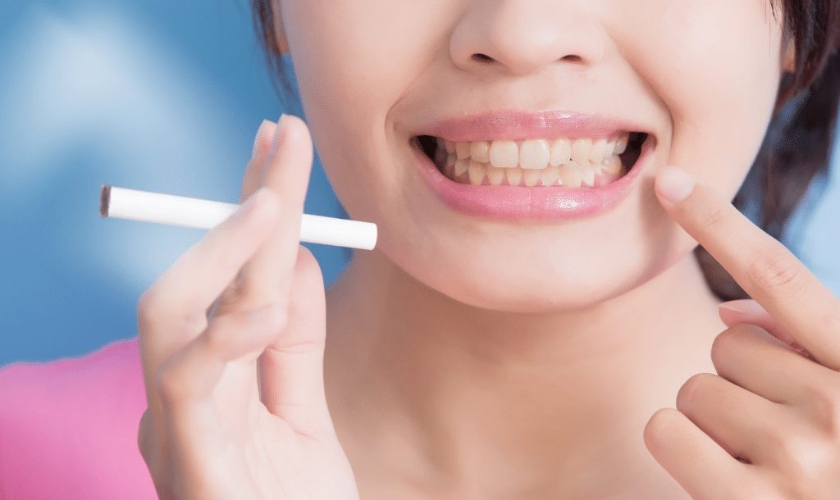
If you’re a smoker considering dental implants, you may be wondering how your habit could affect the success of the procedure. While implants have a high success rate, smoking can increase the risk of implant failure. Understanding the risks involved is crucial for anyone planning to undergo this treatment. Smoking affects healing, bone density, and tissue regeneration, all of which are essential for the success of tooth implants.
The good news is that proper preparation can significantly improve your chances of a successful outcome. At Gallagher Family Dentistry of Metairie, we’re here to guide you through the process and ensure you take the necessary steps to achieve the best results.
How Smoking Affects Dental Implant Success
Smoking can negatively impact the healing process after dental implant surgery. The chemicals in cigarettes restrict blood flow to the gums, which reduces oxygen supply to the area, hindering tissue regeneration.
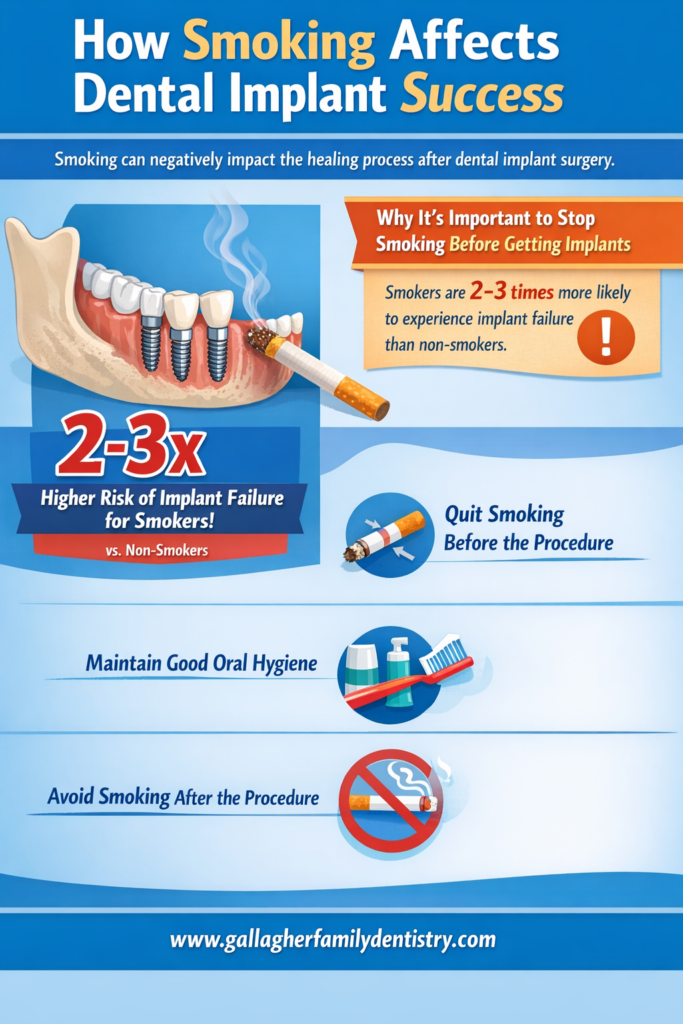
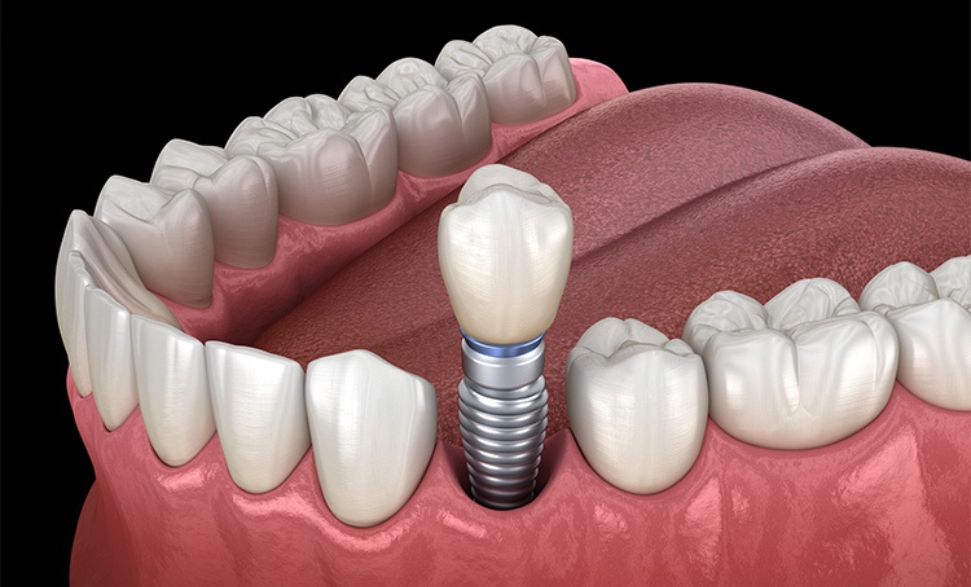
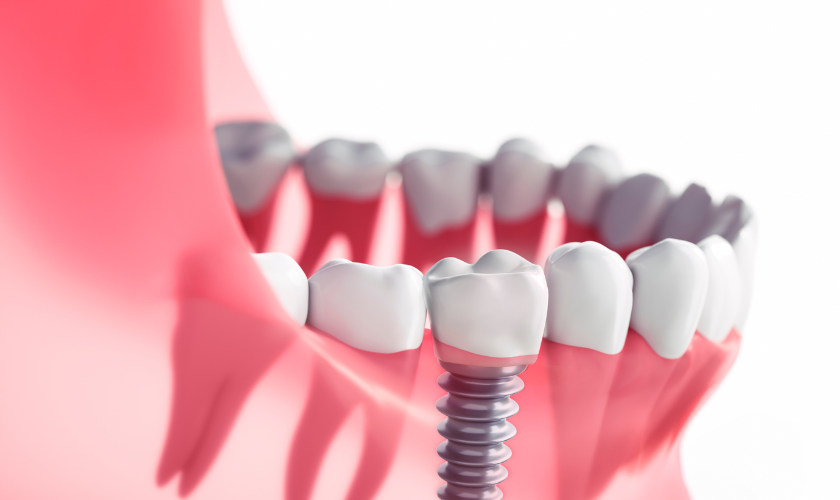
This affects your body’s ability to heal and can delay the bonding of the implant to the bone, a crucial part of the procedure. Additionally, smoking weakens bone density and increases the risk of infection, which can contribute to implant failure.
Studies have shown that smokers are two to three times more likely to experience implant failure than non-smokers. One study published in the Journal of Periodontology found that the success rate of implants was significantly lower in smokers, with failure rates reaching as high as 15% compared to 5% in non-smokers.
The risks are real, but by understanding them and taking the right steps, you can still give yourself the best chance for success.
Why It’s Important to Stop Smoking Before Getting Implants
Source: Permanent Teeth in 24 Hours
The healing process after dental implant surgery requires optimal conditions for your gums and bone to integrate with the implant. Smoking interferes with this process by reducing circulation, impairing the immune system, and increasing inflammation. Quitting smoking, even for a short time before surgery, can improve blood flow to the area, which promotes healing and helps your body adapt to the implant.
By stopping smoking at least 2-4 weeks before your surgery, you give your body time to recover and reduce the harmful effects of nicotine. Improved circulation leads to better bone health, ensuring that the implant integrates properly with your jawbone, which is crucial for its long-term stability.
Not only will this increase your chances of success, but it can also help reduce the risk of complications such as infections or delayed healing.
Tips for Smokers Preparing for Their Implant Procedure
If you’re a smoker and considering dental implants in Metairie, it’s crucial to understand the impact smoking can have on the success of your procedure and your recovery. Smoking can affect your healing time and the overall success rate of dental implants due to its negative effects on gum health and bone density. However, with the right preparation, smokers can still achieve positive outcomes.
Here are some tips to help you prepare for your dental implant procedure and ensure the best possible results.
1. Quit Smoking Before the Procedure
While this may be a challenging step, it is highly recommended to quit smoking before undergoing dental implant surgery. Smoking constricts blood flow, which impedes the healing process and increases the risk of complications. Ideally, you should stop smoking at least two weeks before your procedure. This will give your gums and bone tissue a better chance to heal properly, reducing the risk of infection and implant failure.
Even if you can’t quit entirely, try to cut back significantly. Your dental surgeon may offer smoking cessation programs or resources to help support your efforts in quitting.
2. Maintain Good Oral Hygiene
Smoking contributes to plaque buildup, gum disease, and poor oral health, all of which can negatively affect your dental implants. It’s essential to maintain optimal oral hygiene leading up to your procedure.
Brush your teeth at least twice a day with fluoride toothpaste and floss daily. If you are unsure how to clean around your implants, ask your dentist for guidance. Keeping your mouth clean reduces bacteria and the likelihood of infections during your recovery.
In addition to brushing and flossing, consider using an antimicrobial mouthwash to help prevent any infections before and after the procedure. This will help reduce the bacteria in your mouth, creating a more conducive environment for healing.
3. Prepare for a Longer Recovery Period
Smokers typically experience a slower recovery time due to the decreased blood flow in their gums and tissues. Since smoking impacts the body’s ability to heal, you should expect a longer recovery period after your implant procedure.
Be prepared to follow a strict aftercare routine to promote healing. This may involve eating soft foods for the first few days, avoiding strenuous activities, and following any instructions your dentist gives you to avoid disturbing the surgical site.
Taking care of your implants during recovery is essential, and being patient during the healing process will give you the best chance at long-term success.
4. Attend Pre-Procedure Consultations
Before undergoing your implant procedure, schedule a thorough consultation with your dentist. During this appointment, discuss your smoking habits and the potential risks that may come with being a smoker.
Your dentist may perform additional assessments to ensure that you are a suitable candidate for dental implants. They might suggest bone grafting or other procedures if your bone density is compromised due to smoking.
Understanding the full scope of your treatment plan will help you mentally and physically prepare for the procedure, giving you a clear idea of what to expect.
5. Avoid Smoking After the Procedure
After the dental implant procedure, it is crucial to avoid smoking for as long as possible. Smoking after the procedure can cause a delay in the healing process and even lead to implant failure.
The nicotine in cigarettes reduces blood flow to the gums, which can cause the implant to fail to integrate properly with the bone. Most dental professionals recommend waiting at least 2-3 weeks after the procedure before smoking, but it’s best to consult with your dentist for their personalized advice.
6. Monitor Your Oral Health Post-Surgery
Once your implants are placed, it’s essential to follow your dentist’s instructions and keep a close eye on your oral health.
Smokers are at a higher risk of gum infections and implant complications, so regular check-ups and proper maintenance are crucial. Your dentist will monitor the healing process and help you manage any issues that may arise.
7. Consider Smoking Alternatives
If quitting smoking altogether seems too difficult, consider transitioning to a healthier alternative, such as nicotine replacement therapy or vaping.
While not entirely risk-free, these options may reduce some of the harmful effects associated with traditional smoking, allowing your body to heal more effectively. Consult with your dentist to discuss which alternatives might be best for your dental implant procedure.
Preparing for a dental implant procedure as a smoker requires additional effort and commitment, but the results can be well worth it. By quitting smoking, maintaining good oral hygiene, attending regular consultations with your dentist, and following post-operative care guidelines, you can significantly increase the chances of a successful implant procedure.
While the process may take extra time and dedication, your long-term oral health will benefit from your efforts to ensure a smooth and effective healing journey.
Alternatives if You Can’t Quit Smoking
If quitting smoking before your implant procedure isn’t possible, there are still steps you can take to reduce the risks and improve your chances of success. You may choose to delay the procedure until you can reduce your smoking habits and give your body time to recover. Alternatively, your dentist might suggest other options for implants, such as mini implants or alternative treatments that may be more adaptable for smokers.
While smokers may still be candidates for dental implants in Metairie, maintaining good oral hygiene, following post-operative care instructions, and attending regular follow-up appointments will be crucial for success. Your dentist will work with you to minimize the risks and ensure proper care throughout the process.
Post-Surgery Care for Smokers
Proper aftercare is vital for anyone undergoing dental implant surgery, but for smokers, it’s even more crucial. Smoking after surgery can further delay healing, increase the risk of infection, and jeopardize the long-term success of your implants. Therefore, it’s essential to avoid smoking during the recovery period, which typically lasts for a few weeks.
To ensure a smooth recovery, follow your dentist’s post-operative instructions carefully. This includes maintaining proper oral hygiene, taking prescribed medications, and attending follow-up visits to monitor the healing progress.
Keeping the implant area clean and free of infection will go a long way in ensuring the longevity of your dental implants. If you find yourself struggling with the urge to smoke during recovery, reach out to your dentist for additional support.
Quitting smoking is one of the most significant steps you can take to ensure the success of your dental implants. By preparing properly and following your dentist’s guidance, you can significantly improve your chances of a successful outcome and enjoy the long-term benefits of your implants.
At Gallagher Family Dentistry of Metairie, we’re dedicated to helping you achieve a healthy, beautiful smile. Contact us today to schedule a consultation and learn how we can help you make the best decisions for your dental health.
Frequently Asked Questions
How long should I stop smoking before dental implant surgery?
It’s recommended to quit smoking at least 2-4 weeks before your surgery. This allows your gums and bone tissue to heal more effectively, improving the success rate of the procedure.
What if I can’t quit smoking before my procedure?
While quitting is ideal, if you can’t stop entirely, try to cut back as much as possible. Your dentist may suggest alternative treatment options or additional precautions to reduce the risks associated with smoking.
Can smoking cause dental implant failure?
Yes, smoking significantly increases the likelihood of implant failure. Studies show smokers are 2-3 times more likely to experience implant failure compared to non-smokers due to their negative impact on bone density and healing.
How can I maintain good oral hygiene as a smoker before my dental implant procedure?
Brush at least twice a day, floss daily, and use an antimicrobial mouthwash to reduce bacteria. Keeping your mouth clean helps prevent infections and supports the healing process before surgery.
How long does it take to heal from dental implant surgery if I smoke?
Smokers may experience a longer healing time due to reduced blood flow and impaired healing. On average, it may take longer for the implant to fully integrate with the bone compared to non-smokers.