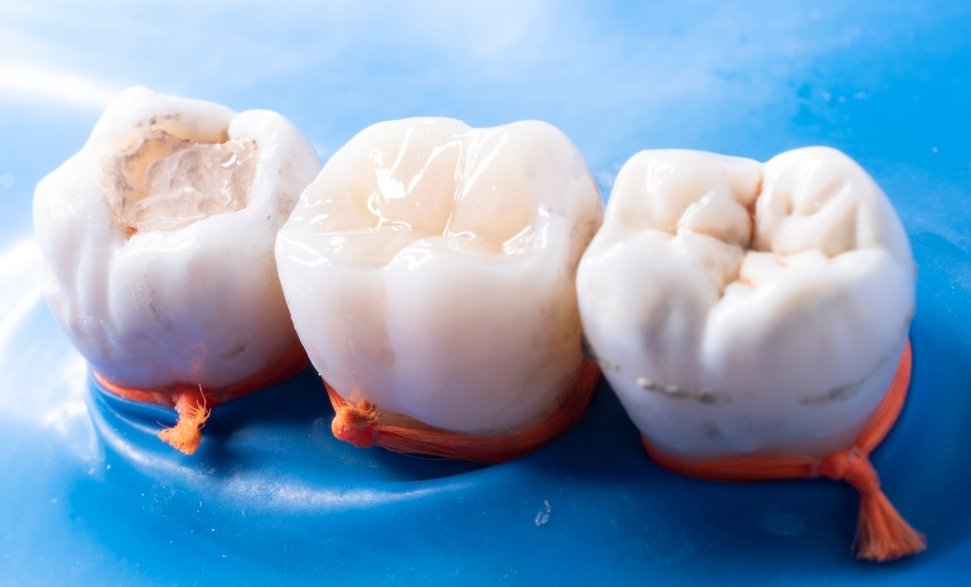



Fluoride, once hailed as a miracle for oral health, is now at the center of a heated debate. As more people opt for fluoride-free products, the question remains: Is fluoride truly essential for oral health, or are the concerns overblown? In recent years, the rise of fluoride-free toothpaste and water filters has sparked a wave of curiosity and concern. This ongoing debate has many questioning whether fluoride is still a necessary component of their dental care routine.
Fluoride is a naturally occurring mineral, often added to toothpaste and public water to prevent cavities. But as we head into 2026, it’s time to look at the science behind fluoride use, evaluate its benefits, and consider the risks. This blog will explore both sides of the fluoride-free debate, providing insights into the current state of fluoride use in dental care.
What Is Fluoride and Why Is It Used?
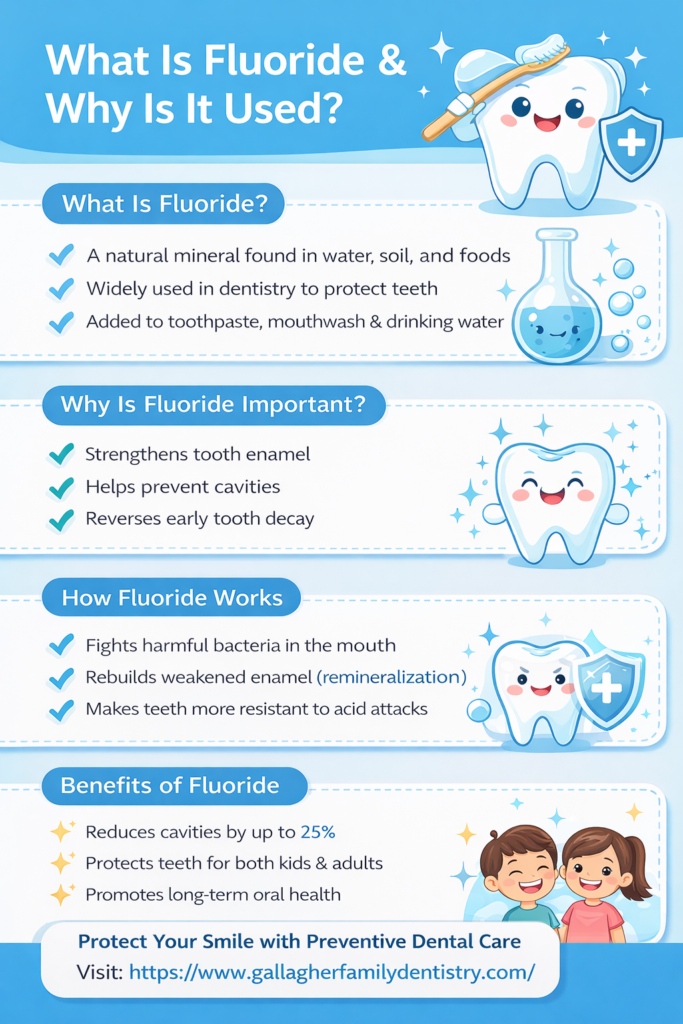
Fluoride is a mineral that occurs naturally in the Earth’s crust, and it’s most commonly found in water, soil, and rocks. It’s often added to public water supplies and dental products like toothpaste and mouthwash due to its ability to strengthen tooth enamel and prevent tooth decay. This naturally occurring substance has been widely used for decades in efforts to reduce dental cavities, especially in communities where access to regular dental care may be limited.
Fluoride works by promoting the remineralization of tooth enamel. When teeth are exposed to fluoride, the mineral helps to repair the early stages of tooth decay, making them more resistant to further damage from acids. This is particularly important since tooth enamel, the hard outer layer of your teeth, can be worn down by acids produced by bacteria in the mouth. Regular use of fluoride can help reverse the damage caused by acid, preventing cavities from forming.
Fluoride’s inclusion in dental care products and water supplies has been linked to a substantial decline in the number of cavities in both children and adults. According to studies, communities that fluoridate their water supply have fewer instances of tooth decay compared to those without fluoridated water. As a result, fluoride remains a key element in maintaining optimal oral health.
The “Pro” Side: Support for Fluoride
Fluoride’s effectiveness in preventing tooth decay is backed by decades of scientific research. Numerous studies support its benefits, particularly in reducing cavities among children. A study conducted by the Centers for Disease Control and Prevention (CDC) shows that water fluoridation has led to a 25% decrease in tooth decay in populations with fluoridated water supplies. This evidence has been instrumental in the widespread acceptance of fluoride as a public health tool.
The American Dental Association (ADA) and the World Health Organization (WHO) both support the use of fluoride in dental care, citing its effectiveness in reducing cavities and promoting overall dental health. The ADA, in particular, has endorsed fluoride’s use in toothpaste, recommending its inclusion in daily oral hygiene routines to prevent cavities and protect tooth enamel.
Fluoride’s public health benefits are particularly evident in areas that have introduced water fluoridation programs. Communities with fluoridated water systems tend to have healthier teeth and fewer dental issues, which directly reduces the need for extensive dental treatments. This, in turn, lowers the overall cost of dental care, making it a cost-effective strategy for maintaining oral health on a population-wide scale.
In addition to cavity prevention, fluoride also offers benefits in reducing tooth sensitivity. It can provide a protective barrier on exposed dentin, the tissue beneath the enamel that can cause discomfort when exposed to hot or cold temperatures. As per a professional dentist in Metairie, by strengthening the enamel and reducing sensitivity, fluoride contributes to an overall more comfortable dental experience.
The “Con” Side: Concerns About Fluoride Use
Despite its benefits, fluoride has its share of detractors who raise concerns about its potential risks. One of the most commonly cited issues is the possibility of fluoride toxicity. Excessive fluoride intake, particularly in young children, can lead to a condition known as dental fluorosis. Fluorosis causes white spots or streaks to form on the teeth, which, in severe cases, can lead to discoloration and pitting of the enamel.
Furthermore, there are concerns about the potential link between fluoride exposure and various health issues, such as thyroid problems, bone health, and even developmental issues in children. While the scientific community has largely dismissed these claims, some studies suggest that prolonged exposure to high levels of fluoride might contribute to these health concerns.
Another concern is the environmental impact of fluoride. The addition of fluoride to public water supplies raises questions about the sustainability of this practice. Critics argue that adding fluoride to water supplies may result in excessive accumulation in the environment, especially in areas with high natural fluoride levels, potentially leading to contamination of water sources and ecosystems.
Moreover, many people feel that adding fluoride to public water is an infringement on personal freedom. In some regions, residents have pushed back against mandatory fluoridation, arguing that individuals should have the choice to opt out of fluoride use, especially considering the potential risks and availability of fluoride-free alternatives.
The Latest Science (2026 Update)
As we move into 2026, new research continues to emerge regarding the safety and effectiveness of fluoride. Recent studies have further confirmed fluoride’s ability to prevent cavities and strengthen tooth enamel, especially when used in moderation. The CDC’s ongoing reviews of fluoride studies highlight that fluoride, when used appropriately, does not pose a significant health risk to most individuals.
However, there has been an increasing focus on the need for moderation in fluoride use. The American Dental Association (ADA) has updated its guidelines to emphasize the importance of using fluoride-based products as directed. For example, using fluoride toothpaste in the proper amount (a pea-sized amount) and ensuring that children under the age of six do not swallow toothpaste can help prevent excessive fluoride intake.
One of the significant developments in fluoride research is the advancement of “low-fluoride” dental products. These products are designed to provide the benefits of fluoride without the risk of overexposure, making them ideal for those who are concerned about potential side effects but still want the protective effects of fluoride.
In terms of water fluoridation, some cities have reduced fluoride levels to strike a balance between benefiting public health and minimizing potential risks. New studies continue to suggest that lower levels of fluoride in drinking water are just as effective at preventing cavities while reducing the chances of adverse health effects.
The Role of Public Awareness and Personal Choice
As more consumers become aware of fluoride’s potential risks and benefits, the demand for fluoride-free alternatives has grown. Fluoride-free toothpaste, mouthwashes, and bottled water have gained popularity among those who prefer to avoid fluoride altogether. These products often feature natural ingredients like baking soda, activated charcoal, or herbal extracts, which appeal to consumers seeking a more holistic approach to dental care.
For those unsure about fluoride, consulting with a trusted dentist in Metairie at Gallagher Family Dentistry of Metairie is an excellent way to make an informed decision. Your dentist can assess your individual needs, help you understand the risks and benefits of fluoride, and guide you toward the best options for your oral health.
Informed decision-making is essential when it comes to personal health choices. Whether you decide to embrace fluoride or opt for a fluoride-free dental care routine, the most important thing is to choose a path that aligns with your health goals and values.
The fluoride-free debate continues to evolve as new research and alternative options emerge. While fluoride remains a key element in preventing tooth decay and promoting overall dental health, there are valid concerns that need to be addressed. Understanding the science behind fluoride, staying informed about the latest research, and making personalized decisions based on expert advice are crucial to maintaining optimal oral health.
At Gallagher Family Dentistry of Metairie, we’re committed to providing you with the most up-to-date information about dental care. If you have concerns about fluoride or want to learn more about fluoride-free alternatives, we invite you to schedule an appointment with us. Let us help you make the best decision for your smile and overall health.
Frequently Asked Questions
Can fluoride cause health problems?
Excessive fluoride intake, particularly in children, can lead to dental fluorosis. However, when used in moderation, it is generally considered safe.
Can fluoride exposure cause thyroid problems?
Some studies have suggested a potential link between excessive fluoride exposure and thyroid issues, but further research is needed to confirm these findings.
How can I make an informed decision about fluoride?
Consult with a dentist at Gallagher Family Dentistry to discuss your oral health needs, fluoride’s benefits, and whether fluoride-free options are right for you.
Is fluoride effective for all ages?
Yes, fluoride benefits people of all ages by helping to prevent tooth decay, especially in children and adults who may not have perfect oral hygiene.
Can fluoride exposure cause bone damage?
Excessive fluoride over time can potentially affect bones, leading to skeletal fluorosis, but this is rare and typically occurs only with long-term, high levels of exposure.