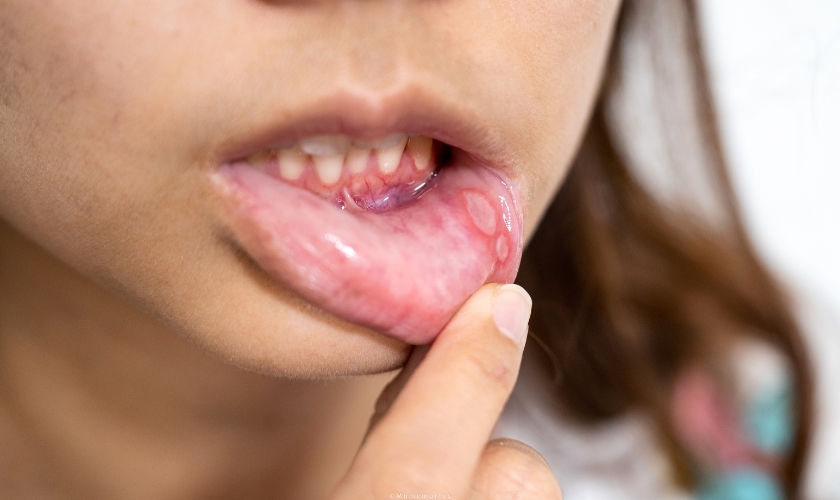



Accidents happen, and sometimes a fall or hard impact can knock out a tooth. The real challenge then becomes: what’s the best way to preserve it until you get to the dentist? Should you store it in milk, your own saliva, or rely on a special solution like “Save-a-Tooth”? This simple question can make all the difference in whether or not you’re able to save that tooth.
In the race against time, proper storage is essential to giving your tooth the best chance of survival. But what does science say about these common storage options? Let’s explore each one in detail and find out which really works best for saving a knocked-out tooth.
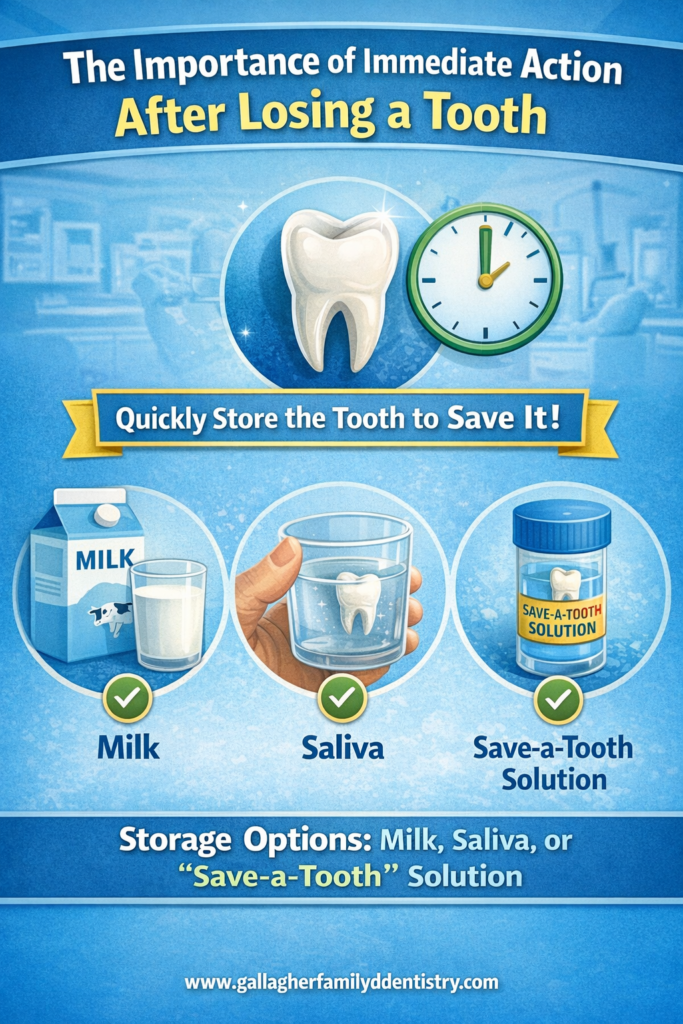
The Importance of Immediate Action After Losing a Tooth
When you knock out a tooth, every second counts. The first 30 minutes to an hour after the injury are crucial to determining whether the tooth can be successfully re-implanted. The longer you wait, the less likely it is that your tooth will survive.
Why is timing so critical? The root of your tooth is living tissue, and if it’s not kept moist and in a suitable environment, it can dry out or suffer from irreversible damage. The tissue inside the tooth starts to deteriorate, which reduces the chances of a successful re-implantation.
In addition to timing, the way you handle the tooth is also critical. Touching the tooth by the root, for example, can introduce bacteria, which may lead to infection later on. Gently handling the tooth and ensuring it’s stored correctly is vital to giving it the best shot at survival.
Not storing the tooth properly can also lead to other complications. The tooth may be too damaged to re-implant, requiring extraction or other dental procedures. The tooth may also fail to integrate properly with the bone if not stored in the right conditions. So, acting quickly and using the right storage method is essential.
Storage Options: Milk, Saliva, or “Save-a-Tooth” Solution?
Milk
Milk is a go-to recommendation for preserving a knocked-out tooth. It’s often suggested because its pH and composition help maintain the tooth’s cells and tissues. Specifically, milk contains calcium, which helps preserve the root’s cells and prevents them from drying out.
When you store the tooth in milk, it can remain viable for a few hours, giving you time to visit an emergency dentist in Metairie. The key benefit of milk is that it’s easy to obtain, even if you’re far from home. It’s also a safer option than simply storing the tooth in water, which doesn’t have the right pH balance to protect the tooth’s cells.
However, milk isn’t a perfect solution. It doesn’t provide the same level of preservation as professional solutions like “Save-a-Tooth.” But it’s a highly effective emergency option, especially when you’re in a pinch.
Saliva
Some people might instinctively store their knocked-out tooth in their own saliva. After all, it’s readily available and warm. Saliva is a natural substance, so it seems like a reasonable choice, but it has its limitations.
Saliva is certainly better than letting the tooth dry out. However, it lacks the necessary pH balance and nutrients that milk or professional solutions provide. Plus, saliva can be difficult to store in a way that ensures the tooth is kept in the right condition. It’s easy to accidentally mishandle the tooth while trying to keep it in your mouth, increasing the risk of contamination.
Saliva should only be used as a last resort if no other option is available. It’s not an ideal solution for preserving a tooth long-term.
Save-a-Tooth Solution
“Save-a-Tooth” is a commercially available solution designed specifically to preserve knocked-out teeth until you can see a dentist. It’s formulated to provide the right pH, calcium levels, and nutrients to maintain the health of the tooth’s root cells. In fact, this solution has been specifically designed to improve the chances of successful re-implantation.
One of the benefits of using a “Save-a-Tooth” solution is that it’s portable and specifically created for this emergency situation. It’s a great option for parents, athletes, or anyone prone to injuries. It’s also the preferred option among dental professionals, as it’s scientifically proven to preserve the tooth better than milk or saliva.
However, while it’s an effective and recommended choice, it’s not as commonly available as milk or saliva, and you might not always have it on hand. That said, having a kit ready in your first aid kit can be a smart move for dental emergencies.
Which Option is Best?
Comparing Effectiveness
When it comes to preserving a knocked-out tooth, each option has its strengths and limitations:
- Milk: Milk is often the go-to recommendation. Its pH level and calcium content help keep the tooth’s root cells from drying out. While not as effective as “Save-a-Tooth,” it’s easily accessible and works for up to an hour. However, it doesn’t provide long-term preservation.
- Saliva: Storing the tooth in your own saliva can work in an emergency, but it’s far from ideal. Saliva lacks the nutrients needed to preserve the tooth’s root cells long-term and may expose the tooth to bacteria. It’s a last resort if no other options are available.
- Save-a-Tooth Solution: This specialized solution is designed specifically for preserving a knocked-out tooth. It maintains the correct pH, calcium, and nutrient levels to keep the tooth viable for several hours. It is the most reliable option, but it’s not as easily available as milk or saliva.
Scenario-Based Guidance
- At Home: If you’re at home, the best option is to store the tooth in milk or a “Save-a-Tooth” solution, if available. Don’t waste time searching for something else; get to a dentist immediately.
- On the Go: If you’re out and about, milk is the next best option. Carrying a small, portable “Save-a-Tooth” kit is a smart idea for parents and athletes, as it’s designed for such emergencies.
In all cases, getting to an emergency dentist in Metairie as soon as possible is the most important step. The longer the tooth sits in storage, the lower the chance of re-implantation success.
What to Do After Storing the Tooth
Once you’ve successfully stored your tooth in the best available solution, your next step is to get to the dentist immediately. White Center Smiles in your area is always ready to assist with emergency dental needs, including re-implantation of knocked-out teeth.
The dentist will likely perform an examination and may take X-rays to assess the extent of the damage. If the tooth is viable, the dentist will carefully attempt to re-implant it into the socket. In some cases, the tooth may need a root canal or other treatment to ensure it remains stable.
Depending on how much time has passed and how well the tooth has been preserved, the dentist will guide you through the best course of action.
In the event of a knocked-out tooth, immediate action is crucial. Whether you store it in milk, saliva, or a “Save-a-Tooth” solution, the key is to act fast and get professional help as soon as possible. By following these guidelines, you can give your tooth the best chance of survival.
We encourage you to keep a “Save-a-Tooth” kit on hand for emergencies or at least be familiar with how to store a knocked-out tooth in milk. If you ever find yourself in this situation, don’t hesitate to contact White Center, Smiles. Our emergency dental care team is ready to help save your smile!
What People Ask
How soon should I see a dentist after losing a tooth?
You should see a dentist within 30 minutes to an hour for the best chance of saving the tooth.
Can I store my tooth in ice or cold water?
No, ice or cold water is not suitable. Milk or a specialized solution is the best option for preservation.
How long can a tooth survive in milk?
A tooth can survive in milk for up to an hour, giving you time to get to a dentist.
How do I know if my tooth can be saved?
If stored properly and seen by a dentist within an hour, there’s a good chance of saving the tooth, but a professional evaluation is required.
Does the “Save-a-Tooth” solution really work?
Yes, “Save-a-Tooth” is specifically designed to preserve a tooth’s root cells and offers the best chance for successful re-implantation.