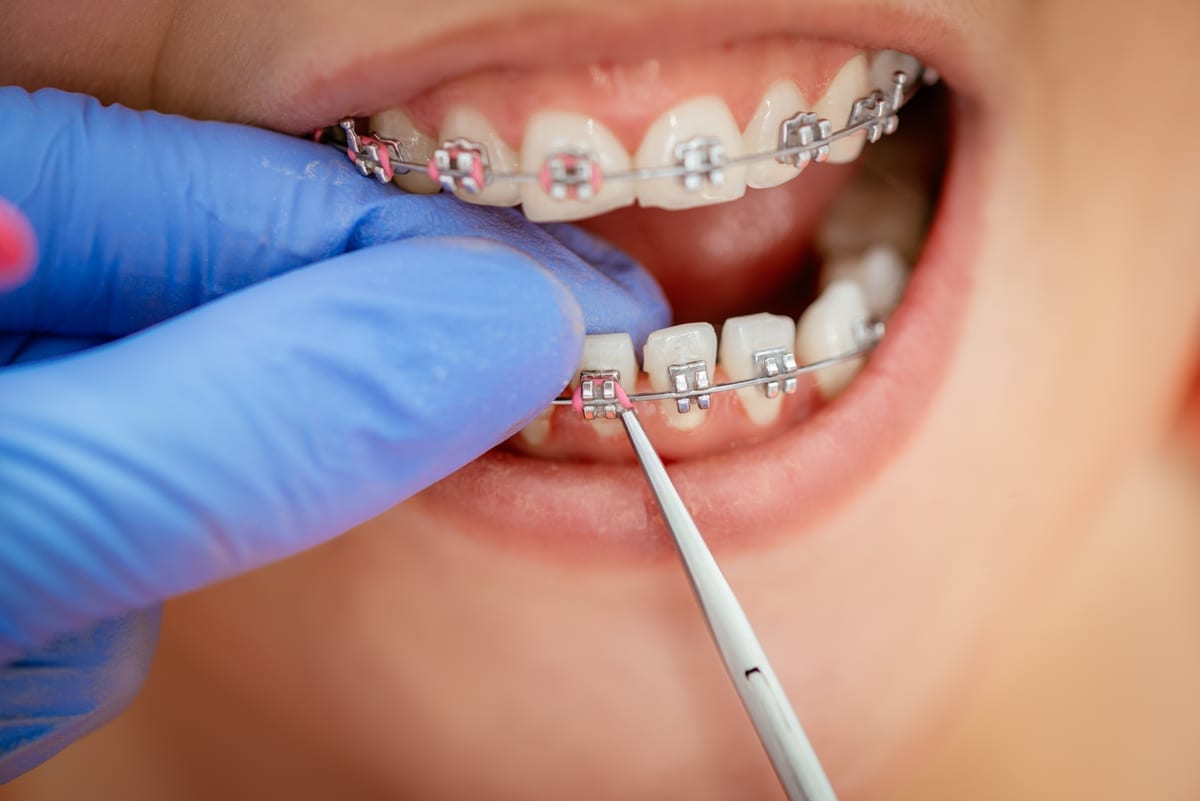



Your new crown needs these 5 daily care habits to last in Metairie Terrace — and most patients are surprised by how simple they are. A dental crown is a significant investment in your smile. Dr. Michael W. Gallagher and the team at Gallagher Family Dentistry of Metairie want that investment to pay off for years to come. With the right daily routine, your crown can stay strong, comfortable, and beautiful for a decade or longer.
Why Daily Crown Care Matters in Metairie Terrace
Dental crowns are durable, but they are not indestructible. Crowns can chip, loosen, or develop decay at the margin — the edge where the crown meets your natural tooth. That margin is the most vulnerable spot on any crown. Bacteria love to collect there, especially if you skip proper cleaning.
Metairie Terrace residents face the same daily challenges as anyone else: sugary foods, busy schedules, and the temptation to skip nighttime brushing. Small habits practiced every day make the biggest difference in how long your crown lasts. Think of crown care as protecting something you already paid for.
Habit 1 and 2 — Master Your Cleaning Routine Around the Crown Margin
The crown margin sits right at or just below your gumline. Plaque that builds up there can cause gum disease and decay on the underlying tooth structure. That is why brushing technique matters just as much as brushing frequency.
Use a soft-bristled toothbrush angled at 45 degrees toward your gumline. Gently brush the margin of the crown twice daily. This removes plaque before it hardens into tartar that only a professional cleaning can remove.
Flossing around a crown requires a little extra care. Slide the floss gently between teeth and curve it around the base of the crown in a C-shape. Do not snap or pop the floss — that can dislodge a crown that is not fully bonded. Water flossers are also excellent for flushing debris from the margin area.
- Brush twice daily with a soft-bristled toothbrush
- Angle bristles at 45 degrees toward the gumline
- Floss once daily using a gentle C-shape motion
- Consider a water flosser for easier margin cleaning
- Use a fluoride toothpaste to protect the underlying tooth
Habit 3 — Avoid Foods That Threaten Your Crown’s Longevity
What you eat directly affects how long your crown stays intact. Certain foods put excessive pressure or stickiness on a crown. Over time, that stress weakens the bond between the crown and your tooth.
Hard foods are one of the biggest risks. Chewing ice, hard candies, or crusty bread with your crowned tooth can crack the porcelain or dislodge the crown entirely. Sticky foods like caramel and chewing gum can pull at the crown’s edges and slowly loosen the cement underneath.
This does not mean you need to give up all enjoyable foods. It simply means being mindful of which side of your mouth you use for harder items. Cutting food into smaller pieces also reduces the force placed on your crown during chewing.
- Avoid chewing ice or hard candies on the crowned tooth
- Limit sticky foods like caramel, taffy, and chewing gum
- Cut hard fruits and vegetables into bite-sized pieces
- Chew tough meats on the opposite side when possible
- Reduce acidic beverages that erode the tooth structure beneath the crown
Habit 4 — Protect Your Crown With a Night Guard If You Grind
Bruxism — the habit of grinding or clenching your teeth at night — is one of the fastest ways to destroy a dental crown. Many patients in Metairie Terrace do not even realize they grind their teeth. Their partner might notice the sound first, or Dr. Gallagher might spot the wear patterns during a checkup.
Grinding places enormous force on crowns, especially porcelain ones. That force can crack the crown material, wear down the biting surface, and even fracture the tooth underneath. A custom-fitted night guard acts as a cushion between your upper and lower teeth.
A night guard from Gallagher Family Dentistry fits precisely over your teeth. Store-bought options rarely provide the same level of protection. If you have ever woken up with a sore jaw, headaches, or sensitive teeth, ask Dr. Gallagher about whether a night guard makes sense for you.
Protecting your crown with a night guard is also important if you have received other restorations. Patients who have chosen Dental Implants or porcelain work like Dental Veneers benefit from night guard protection as well.
Habit 5 — Keep Your Regular Checkups at Gallagher Family Dentistry
Your daily habits do most of the work, but professional checkups catch what you cannot see at home. Dr. Gallagher examines the crown margin for early signs of decay or gapping at every visit. Catching a small problem early prevents a much bigger repair later.
Professional cleanings also remove tartar buildup around the crown that your toothbrush simply cannot reach. Your hygienist uses specialized tools to clean around restorations safely. Skipping these appointments — even for a year — can allow problems to develop silently.
Most crowns that fail do so because of preventable issues: poor oral hygiene, untreated grinding, or avoided checkups. Visiting Gallagher Family Dentistry of Metairie twice a year is one of the most powerful habits you can build for long-term crown success.
Bringing It All Together for Long-Lasting Results
Your new crown needs these 5 daily care habits to last in Metairie Terrace — and none of them require major lifestyle changes. Consistent brushing and flossing around the margin, avoiding crown-damaging foods, wearing a night guard if you grind, and keeping your professional appointments are the foundation of a healthy restoration.
Small, consistent actions add up to years of reliable function and a confident smile. Dr. Gallagher and the entire team at Gallagher Family Dentistry of Metairie are here to support your crown care at every step. We make it easy to ask questions, get personalized advice, and stay on top of your oral health.
Your smile deserves the best care possible — and so do you. Book Now to schedule your appointment with our team.
Frequently Asked Questions
How long should a dental crown last with proper care?
A well-maintained dental crown typically lasts between 10 and 15 years. Some crowns last 20 years or more with excellent daily hygiene and regular professional checkups. The quality of the crown material and your personal habits both play a major role in longevity.
Can I get cavities under a dental crown?
Yes, decay can develop at the margin where the crown meets your natural tooth. The tooth structure beneath the crown is still vulnerable to bacteria and acid. Proper brushing, flossing, and fluoride use help protect that area from decay.
What should I do if my crown feels loose or falls off?
Contact Gallagher Family Dentistry of Metairie as soon as possible if your crown loosens or comes off. Keep the crown safe and avoid chewing on that side. Dr. Gallagher can re-cement or replace the crown depending on the condition of the tooth and restoration.
Is a night guard really necessary for crown protection?
If you grind or clench your teeth, a night guard is highly recommended to protect your crown. Grinding places extreme pressure on dental restorations and can crack or dislodge them over time. A custom-fitted night guard from your dentist offers far better protection than over-the-counter options.
How do I clean around a crown without damaging it?
Use a soft-bristled toothbrush and gentle circular motions at the gumline twice daily. Floss carefully using a C-shape motion — never snap the floss down forcefully. A water flosser can also help rinse debris from the crown margin without putting stress on the restoration.