

If you’re exploring veneers in Metairie, you’ve likely already hit one big question: porcelain or composite? When weighing porcelain vs. composite veneers — which actually lasts longer in Metairie — the answer depends on more than just the material itself. It comes down to your lifestyle, your smile goals, and your budget. At Gallagher Family Dentistry of Metairie, Dr. Michael W. Gallagher helps patients understand both options honestly and thoroughly. This guide covers everything you need to make a confident decision.
Porcelain vs. Composite Veneers: Understanding the Core Differences
Both types of veneers improve the look of your smile. However, they are made from very different materials. Porcelain veneers are thin ceramic shells custom-crafted in a dental lab. Composite veneers are made from a tooth-colored resin applied directly to your teeth by your dentist.
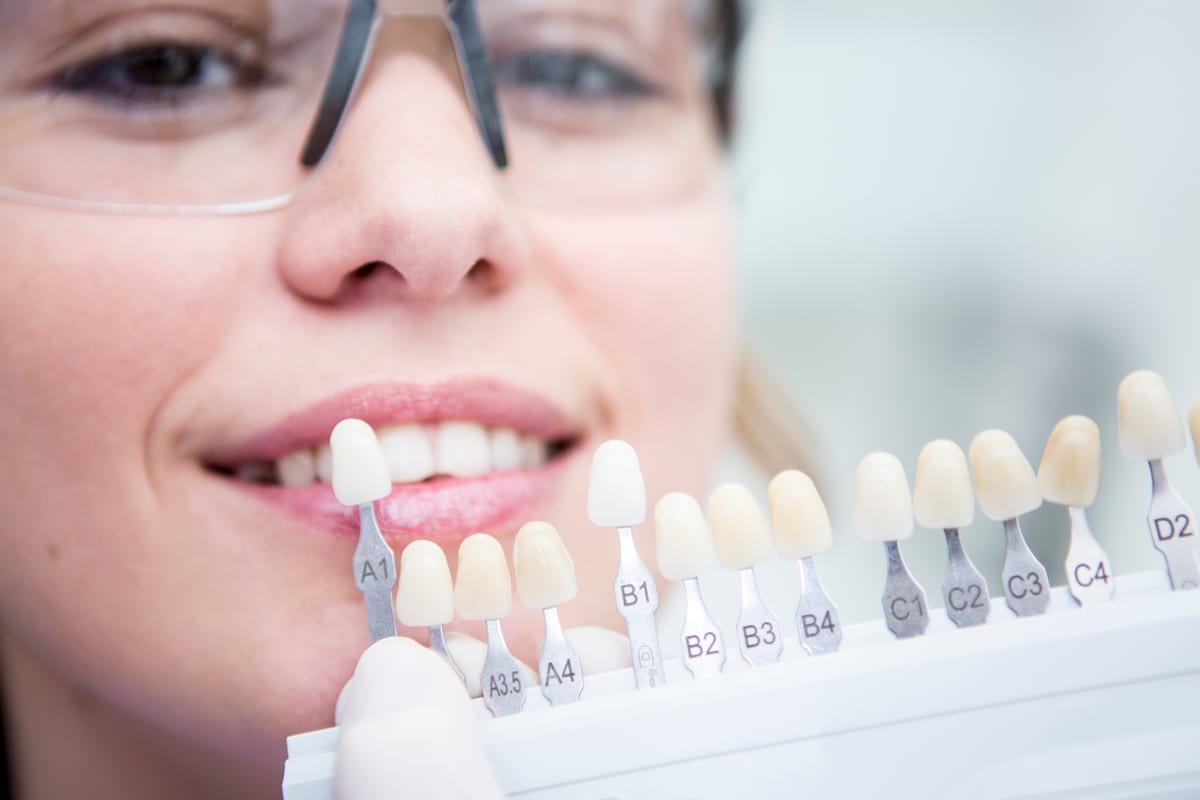
Porcelain closely mimics the light-reflecting properties of natural enamel. This gives it a lifelike, translucent appearance. Composite resin has improved significantly over the years, but it still lacks that same depth and sheen.
Understanding this difference is the foundation of every other comparison. Let’s break them down category by category so you can see exactly what each option offers.
Aesthetics: Which Veneer Looks More Natural?
Porcelain veneers consistently win on aesthetics. Their ceramic surface reflects light in a way that closely resembles real tooth enamel. Patients in Metairie who want a truly seamless, camera-ready smile often prefer porcelain for this reason.
Composite veneers still look great, especially for minor corrections. A skilled dentist like Dr. Gallagher can sculpt composite resin to blend beautifully with surrounding teeth. However, composite tends to look slightly more opaque under certain lighting conditions.
Composite is also more prone to staining over time. Coffee, red wine, and certain foods can discolor the resin faster than porcelain. Porcelain is highly stain-resistant, maintaining its color far longer with basic care.
- Porcelain: Translucent, natural-looking, highly stain-resistant
- Composite: Good aesthetics, more customizable in-chair, stains faster
- Winner for aesthetics: Porcelain — especially for front teeth visibility
Durability and Longevity: Which Actually Lasts Longer in Metairie?
This is the heart of the porcelain vs. composite veneers debate for Metairie patients. Porcelain veneers typically last 10 to 15 years, sometimes longer with excellent care. Composite veneers average 5 to 7 years before needing replacement or significant touch-ups.
Porcelain is more resistant to everyday wear and chipping. It holds up better against biting forces and normal tooth function. Composite, while durable, is a softer material and can chip or wear down more easily.
Louisiana’s climate doesn’t directly affect veneer longevity, but your habits do. Grinding your teeth, biting nails, or chewing ice will shorten the lifespan of either material. Dr. Gallagher often recommends a night guard for patients who grind to protect their investment.
When it comes to long-term durability, porcelain clearly has the edge. If you want a solution that minimizes future dental visits for repairs, porcelain is the stronger choice.
Procedure, Cost, and Repairability: What Metairie Patients Should Know
The procedure for each type of veneer is quite different. Here’s what to expect with each option:
- Composite veneers: Applied in a single appointment. Your dentist sculpts the resin directly onto your teeth and hardens it with a curing light. Little to no enamel removal is required.
- Porcelain veneers: Require at least two visits. During the first visit, a small amount of enamel is removed. Impressions are taken and sent to a dental lab. Temporary veneers are placed while your custom shells are crafted. During the second visit, the permanent porcelain veneers are bonded.
Composite veneers cost significantly less upfront. This makes them appealing to patients who want an aesthetic improvement without a large initial investment. Porcelain veneers cost more but last longer, potentially making them more cost-effective over time.
Repairability is another important factor. Composite veneers can often be repaired chairside if they chip or crack. A dentist simply adds more resin and re-cures it. Porcelain veneers, if damaged, typically need to be fully replaced — they cannot be patched as easily.
This is a genuine trade-off to consider. If you lead an active lifestyle or are worried about accidental damage, composite’s repairability may be an advantage for you specifically.
Which Veneer Option Is Right for You in Metairie?
The right choice depends on your unique circumstances. There is no single correct answer for every patient. Here are some helpful guidelines to consider before your consultation:
- Choose porcelain if you want maximum longevity and the most natural aesthetics
- Choose composite if you want a faster, more affordable solution with easier repairs
- Choose porcelain if staining resistance is a priority for your lifestyle
- Choose composite if you prefer minimal enamel removal or a reversible option
- Choose porcelain if you are correcting significant discoloration or shape issues
Patients with dental benefits may want to review their plan options first. You can learn more about available plan networks at Dental Insurance Metairie or explore specific coverage through Aetna Dental Dentist Metairie.
Dr. Gallagher takes time during every consultation to assess your bite, your enamel health, and your goals. He’ll walk you through which material suits your individual case — not just what sounds best on paper.
Conclusion: Making a Confident Veneer Decision in Metairie
Both porcelain and composite veneers can create beautiful, confidence-boosting smiles. Porcelain offers superior durability and aesthetics, lasting up to 15 years with proper care. Composite offers flexibility, affordability, and easier repairs, making it ideal for the right candidate.
The best veneer is the one that fits your life, your smile, and your long-term goals. Dr. Michael W. Gallagher and the team at Gallagher Family Dentistry of Metairie are here to help you navigate that decision with clarity and confidence. Book Now to schedule your appointment with our team.
Frequently Asked Questions
How long do porcelain veneers last compared to composite veneers in Metairie?
Porcelain veneers typically last 10 to 15 years with proper care. Composite veneers generally last 5 to 7 years before needing touch-ups or replacement. Your habits, oral hygiene, and bite strength all play a role in how long either type lasts.
Can composite veneers be whitened if they stain?
Composite resin does not respond to traditional whitening treatments the way natural enamel does. If your composite veneers stain significantly, a dentist can polish them or replace them to restore their appearance. Porcelain veneers are far more stain-resistant and typically maintain their color longer.
Is the procedure for porcelain veneers painful?
Most patients experience little to no discomfort during the porcelain veneer procedure. Your dentist will use local anesthesia during the enamel preparation stage. Some mild sensitivity between appointments is normal, but it typically resolves once the permanent veneers are placed.
Are composite veneers a good temporary option before getting porcelain?
Yes, composite veneers can work well as a preliminary option. They let you preview your new smile with minimal commitment. Because they require little to no enamel removal, transitioning to porcelain veneers later remains possible in many cases.
How do I care for veneers after getting them placed?
Brush twice daily with a non-abrasive toothpaste and floss regularly. Avoid biting hard objects like ice or fingernails, as these can chip both porcelain and composite veneers. If you grind your teeth at night, ask Dr. Gallagher about a custom night guard to protect your veneers long-term.