

Many Kenner patients ask the same question before committing to a bridge: do dental bridges really last 15 years? The honest answer is — it depends. Some bridges last well beyond 15 years. Others fail much sooner. Understanding what affects bridge longevity helps you make smarter decisions about your oral health. At Gallagher Family Dentistry of Metairie, Dr. Michael W. Gallagher helps patients in the Kenner area get the most out of every dental restoration.
What Is the Average Lifespan of a Dental Bridge in Kenner?
A traditional dental bridge typically lasts between 10 and 15 years. With excellent care, many patients enjoy their bridge for 20 years or more. The lifespan varies based on several personal factors. Your habits, oral hygiene, and the location of the bridge all play a role.
Bridges placed on back teeth face more chewing pressure. This can shorten their lifespan compared to bridges in the front of the mouth. Materials also matter — porcelain-fused-to-metal and all-ceramic bridges each have different durability profiles. Dr. Gallagher helps patients choose the right material for their specific bite and lifestyle.
Research consistently shows that proper maintenance is the single biggest factor in bridge longevity. Patients who brush, floss, and attend regular checkups get significantly more years from their bridge. Neglecting oral hygiene dramatically shortens a bridge’s useful life.
What Shortens a Dental Bridge’s Lifespan?
Several habits and conditions can cause a bridge to fail prematurely. Knowing these risks helps Kenner patients take preventive action early. Here are the most common reasons dental bridges fail ahead of schedule:
- Poor oral hygiene: Plaque buildup under and around the bridge leads to decay in the supporting teeth.
- Grinding or clenching (bruxism): Excessive force wears down the bridge material and strains abutment teeth.
- Hard or sticky foods: Chewing ice, hard candy, or sticky caramel can crack or dislodge a bridge.
- Skipping dental checkups: Small problems go undetected and worsen over time.
- Gum disease: Unhealthy gums weaken the support structure that holds the bridge in place.
- Trauma or injury: A direct blow to the mouth can damage even a well-placed bridge.
Many of these risks are preventable. A simple conversation with Dr. Gallagher can identify your personal risk factors. From there, a customized maintenance plan keeps your bridge strong for years.
How to Extend the Life of Your Dental Bridge
Good habits make a measurable difference in how long your bridge lasts. Patients in Kenner who follow these steps consistently see much better long-term results. Think of bridge care as an ongoing investment in your oral health.
Daily cleaning is non-negotiable. A standard toothbrush cannot reach under a bridge. Use a floss threader, interdental brush, or water flosser to clean beneath the pontic — the false tooth — every day. Skipping this step allows harmful bacteria to attack the abutment teeth that support the bridge.
Here are proven steps to extend your bridge’s lifespan:
- Brush twice daily with a soft-bristle toothbrush and fluoride toothpaste.
- Use a floss threader or water flosser under the bridge every day.
- Wear a nightguard if you grind or clench your teeth during sleep.
- Avoid chewing hard foods directly on the bridge when possible.
- Visit your dentist every six months for professional cleanings and exams.
- Address any sensitivity or looseness immediately — do not wait.
Dr. Gallagher also recommends antimicrobial mouth rinse for patients who are prone to gum disease. This simple addition to your routine reduces bacterial load around bridge margins. Small daily habits add up to years of extra bridge life.
How Does a Bridge Compare to Other Long-Term Options?
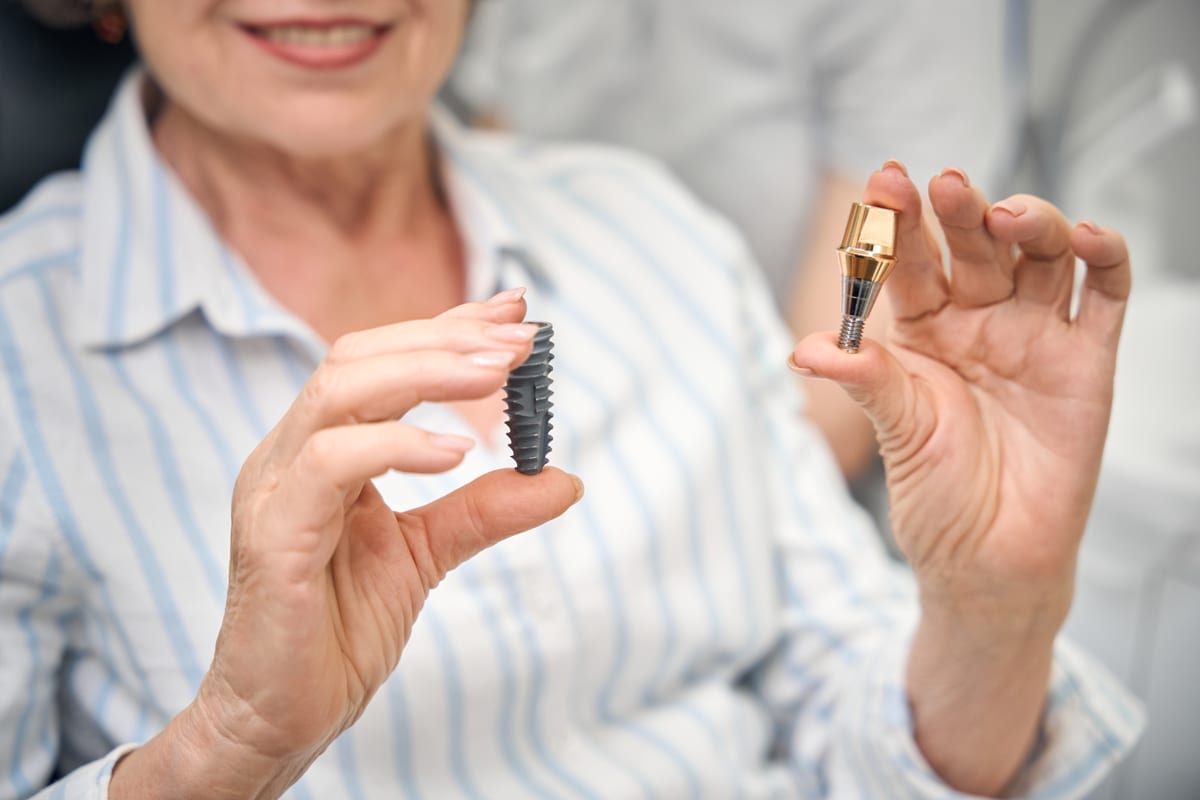
When evaluating tooth replacement, longevity is a key consideration. Dental Implants are widely considered the gold standard for long-term durability. With proper care, implants can last a lifetime — far exceeding the average bridge lifespan.
However, bridges remain an excellent option for many patients. They require no surgery and are typically completed in fewer visits. For patients who are not candidates for implants, a well-maintained bridge is a reliable and proven solution. Cost, health history, and bone density all factor into which option is right for you.
Cosmetic improvements can also complement your restoration plan. Some patients pair a new bridge with Dental Veneers on adjacent teeth for a uniform, natural-looking smile. Dr. Gallagher takes a comprehensive approach to help patients achieve both function and aesthetics.
Every patient’s situation is unique. A thorough exam and honest conversation with Dr. Gallagher will help you understand your best long-term options. The goal is always a healthy, lasting smile — not just a quick fix.
When Should You Consider Replacing Your Bridge?
Even the best-maintained bridge has a lifespan. Knowing when to consider replacement prevents further damage. Watch for these warning signs that your bridge may need attention:
If your bridge feels loose or shifting, contact your dentist promptly. A loose bridge can trap bacteria and accelerate decay in the supporting teeth. Pain when biting or chewing is another red flag that should never be ignored.
Visible cracks, chips, or darkening around the edges also signal that your bridge is nearing the end of its life. Gum recession around the abutment teeth can expose vulnerable root surfaces. Regular checkups at Gallagher Family Dentistry help catch these issues early — before they become emergencies.
Do not wait for pain to seek an evaluation. Many bridge problems are painless in early stages. A proactive checkup saves time, discomfort, and cost in the long run.
Frequently Asked Questions
Do dental bridges really last 15 years for most patients?
Many patients do achieve 15 or more years from a dental bridge with proper care. The actual lifespan depends on oral hygiene habits, diet, bite forces, and regular professional maintenance. Some bridges last 20 years or longer, while others may need replacement sooner if care is neglected.
What is the most important thing I can do to extend my bridge’s life?
Daily cleaning under the bridge is the single most important step. Use a floss threader or water flosser to remove plaque beneath the pontic every day. Combined with regular dental visits, this habit dramatically extends bridge longevity.
Can a damaged bridge be repaired, or does it always need full replacement?
In some cases, minor chips or small issues can be repaired. However, a bridge that is severely cracked, structurally compromised, or supported by decayed teeth typically requires full replacement. Dr. Gallagher evaluates each situation individually to recommend the most conservative effective solution.
Is a dental bridge or a dental implant a better long-term investment?
Dental implants generally offer a longer lifespan and do not require alteration of adjacent healthy teeth. However, bridges are a proven, effective option — especially for patients who are not implant candidates. The right choice depends on your bone health, budget, and overall oral health goals.
How often should Kenner patients visit the dentist after getting a bridge?
Most patients should schedule professional cleanings and exams every six months. If you have a history of gum disease or other risk factors, your dentist may recommend more frequent visits. Consistent professional care is essential to maximizing your bridge’s lifespan.
If you are a Kenner patient wondering whether your bridge is still performing well — or if you are considering your first bridge — Dr. Gallagher and the team at Gallagher Family Dentistry of Metairie are here to help. We provide honest, patient-focused guidance so you can make confident decisions about your smile. Book Now to schedule your appointment with our team.