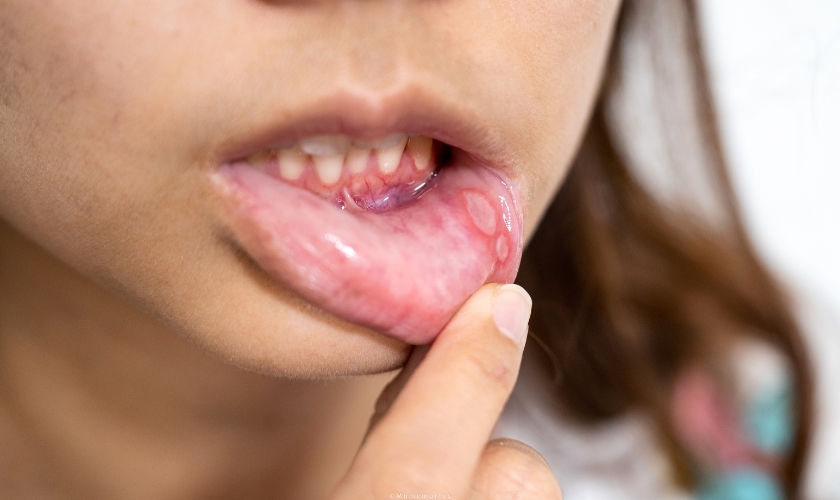



Are you in a dental emergency? Call us: 504-882-9890
Dealing with a painful facial or mouth issue can be challenging to identify. In some cases, the problem might be sinus-related, but there are situations where it could be a more serious emergency that may require attention from a professional emergency dentist. Both cases often present similar symptoms, prompting a person to consider whether to see a healthcare provider or an emergency dentist. The differences between sinus-related issues and dental emergencies are significant and should be understood, as they require different interventions to be handled effectively.
This blog is intended to help you distinguish between sinus pressure and a dental emergency. Furthermore, we’ll delve into the symptoms and causes of dental emergencies, as well as the time to seek dental care. In addition, if you’re having pain in the Metairie area, you need to understand the difference between the two in order to take the next step towards the correct treatment.
Sinus Pressure: A Common Condition with Unique Symptoms
Sinus pressure occurs when the cavities in the skull around the eyes and nose become inflamed and obstructed. This may be due to a sinus infection, allergies, or a common cold. As a result of the blockage in the passage, mucus accumulates, increasing pressure. The pain associated with sinus pressure is felt around the eyes, forehead, cheeks, and nose. At other times, the pain may be referred to the upper teeth, with greater focus on the molar area.
Common symptoms of sinus pressure include:
- Pain and tenderness around the eyes, forehead, or cheeks
- Pain in the upper teeth, especially the ones at the back
- Headaches or a sensation of pressure in the head
- Post-nasal drip or coughing
- A stuffed or runny nose
- Fatigue or general discomfort
The sinus pressure acts on the teeth as it is in close proximity to them, and thus, when you feel a toothache, it is possible because of the sinus pressure, which acts on the roots of the teeth. However, the key difference is that a toothache caused by sinus pressure is diffuse.
Dental Emergencies: Immediate Dental Care Required
While a medical emergency requires prompt medical attention, a dental emergency involves the teeth, gums, or jaw. This may include a toothache, a broken tooth, or a mouth injury. Such conditions tend to cause sharp pain concentrated in a specific area or tooth.
Signs of a dental emergency include:
- Severe, sharp tooth pain that does not go away
- Sensitivity to hot or cold temperatures that persists even after the temperature is gone
- A crack or chip on one of the teeth
- Swelling in the gums and around the face
- Bleeding in the mouth or from the gums that doesn’t stop
- A tooth that has been avulsed, that is, knocked out, due to trauma.
If you feel any of these symptoms, it is imperative that you don’t hesitate to see an emergency dentist in Metairie, as it may save your tooth and help you feel your best again.
Unlike the pressure of sinusitis, the pain in a dental emergency is often more severe and is felt in a specific tooth or gum area. Pain in dental emergencies tends to worsen over time or when pressure is applied to the affected tooth. Dental emergencies often involve noticeable damage to the gums, including bleeding, swelling, or a chip in a tooth.
When to Go to an Emergency Dentist?
Some dental problems can be addressed during a regular dental appointment, but others may be urgent and should not be delayed. If you are not sure whether to seek urgent dental care, here’s a quick guide to help you decide.
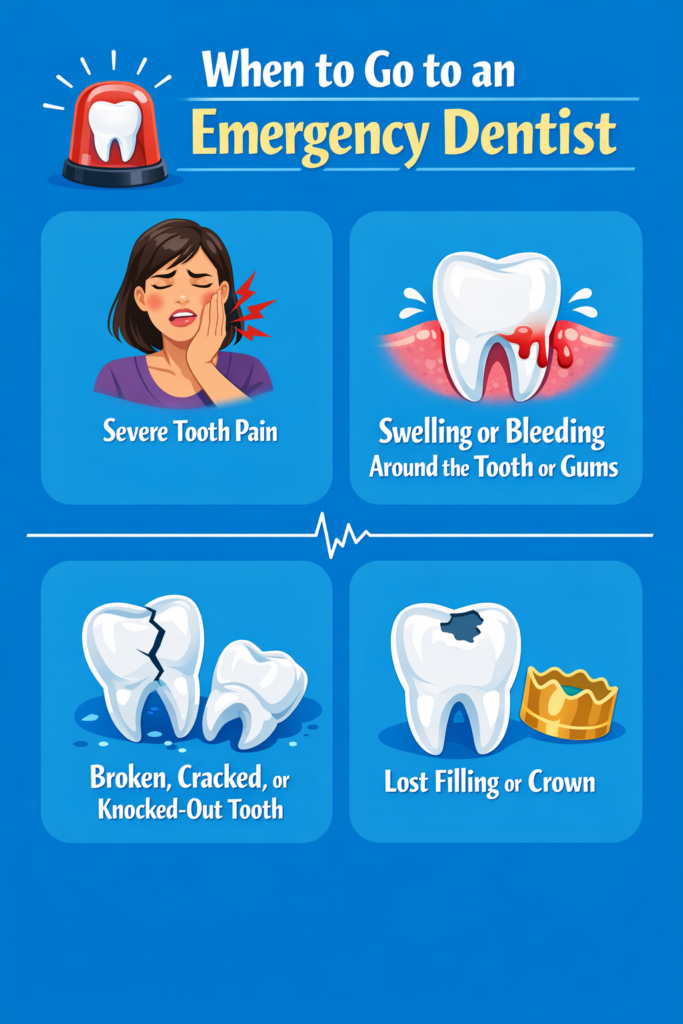
1. Severe Tooth Pain Which Won’t Subside
If you are feeling severe pain that will not go away even after you try some over-the-counter pain relievers, it is a warning sign that something is wrong, perhaps an infection or abscess.
2. Swelling or Bleeding Around the Tooth or Gums
Any abnormal swelling or bleeding that does not stop, especially after trauma, may indicate an infection or injury that requires immediate attention to prevent further complications.
3. Broken, Cracked, or Knocked-Out Tooth
Accidents are bound to happen, and if your tooth is chipped, cracked, or lost, it is very important that you seek dental care immediately, as this could lead to complications, including infection and/or an inability to restore your tooth.
4. Lost Filling or Crown
If your filling or crown has come out, it is leaving your tooth exposed. This exposes it to potential damage or infection. An emergency dentist can restore it to protect your tooth.
5. Abscess or Pus Around a Tooth
An abscess, which appears as a swollen bump or an accumulation of pus close to your tooth, is an infectious condition that must be treated as quickly as possible to avoid it from infecting other parts of your body.
Note: Recognizing when to seek urgent dental attention can make a big difference in your dental health outcome.
Get the Care You Need
If you are in Metairie and feeling facial pain, it is crucial to take the right action to ensure you receive prompt care. For instance, if the pain you are having is from the upper teeth, you could be suffering from sinus pressure, especially if you are also having nasal discharges or congestion. On the other hand, if the pain is sharp, you might have a dental emergency.
Whether it is a problem such as sinus pressure or a dental emergency, the proper course of action is important. At Gallagher Family Dentistry of Metairie, we are always prepared to help should a dental emergency arise. Don’t hesitate to contact us for immediate attention if you have a dental emergency.
Questions People Ask About Dental Emergency
1. How can I tell if I have sinus pressure or a dental emergency?
Sinus pressure often accompanies cold-like symptoms, such as a stuffy nose and congestion, and can cause pain around the forehead and eyes. Dental emergencies tend to cause sharp, localized tooth pain, often accompanied by visible damage or swelling.
2. Can sinus pressure cause tooth pain?
Yes, sinus pressure can cause pain in the upper teeth, especially the molars, because the sinuses are close to the tooth roots.
3. What should I do if I’m experiencing a dental emergency?
If you have severe tooth pain, bleeding, or visible damage to your teeth, seek help from an emergency dentist right away. They can assess the situation and provide the necessary care.
4. Can sinus pressure lead to a long-term dental problem?
No, sinus pressure doesn’t typically cause permanent dental damage. However, chronic sinus infections can cause recurrent pain that may feel similar to a dental issue.
5. How can I prevent sinus pressure from affecting my teeth?
Maintaining sinus health with proper hydration, using a humidifier, and managing allergies can reduce the risk of sinus pressure affecting your teeth.